- A complete Google Business Profile and Google's free booking links are free ways to be found and booked direct.
- Hotel websites brought the highest value per booking in SiteMinder's 2025 data, so give guests a clear reason to book direct.
- In Sri Lanka the south-west and east coasts peak at different times, so plan low-season campaigns around your own coast's quiet months, at least a month ahead.
- Local weekend guests, remote workers on long stays, wellness packages and groups can fill rooms when international demand drops.
The hotel marketing tactics that fill rooms in low season are mostly simple: be easy to find, make booking direct worth it, build offers for the guests who travel in your quiet months, and keep in touch with past guests. Below are 20 tactics, grouped into five themes, that a small hotel or villa can start on this month.
None of them need a big budget. Most need a few hours of setup and then steady attention. Pick three or four, do them properly, and add more once they are working.
Get found
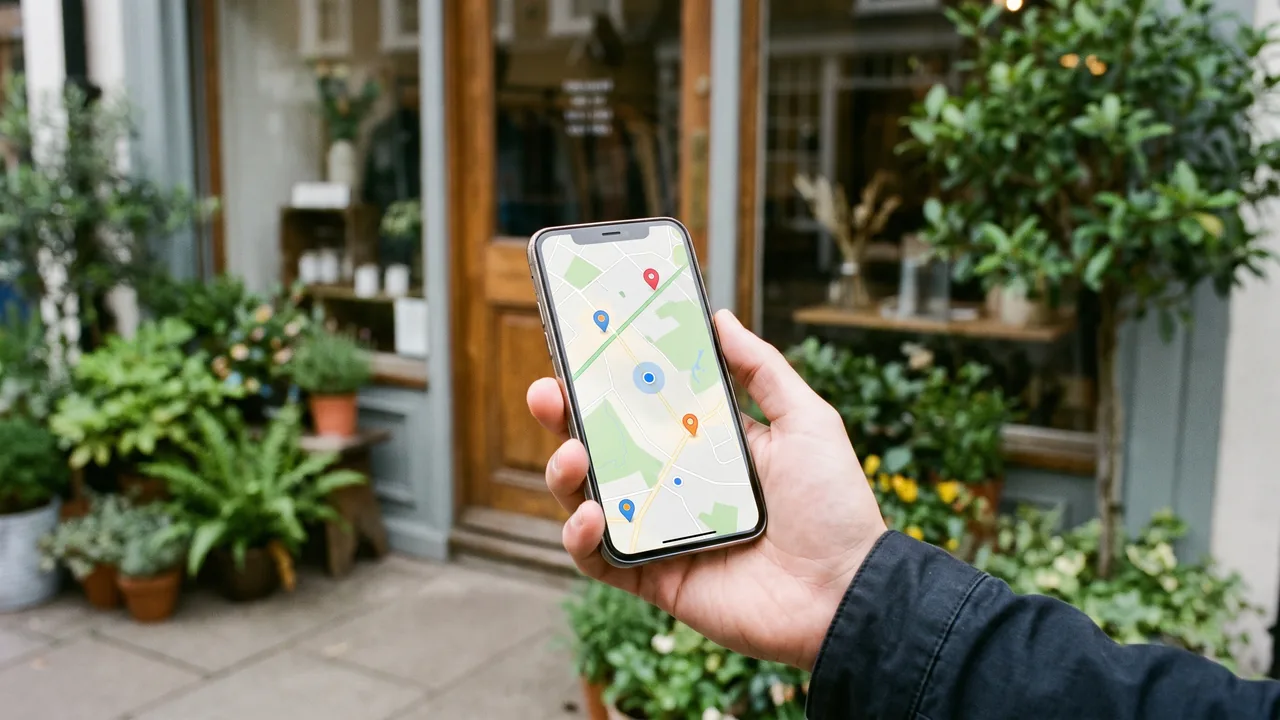
- Finish your Google Business Profile. Add your category, amenities, opening hours for reception, booking link, WhatsApp number and at least 20 recent photos. Google says that more reviews and positive ratings can help a business's local ranking, and that replying to reviews shows you value feedback.1 Our Google Business Profile checklist walks through every field.
- Turn on Google's free booking links. These are unpaid listings that show your own rate next to the online travel agencies when someone searches for your hotel on Google. Google says there is no cost for clicks on them.2 Many booking engines and channel managers can connect them for you, so ask your provider first.
- Write pages that answer real questions. Guests search for things like "family villa near Galle with pool" or "is Arugam Bay good in July". Create a page for each room type, package and common question, written in plain language. Clear, factual pages also help you show up in AI answers, which is covered in our guide to SEO and AI search.
- Show what the place feels like. Short videos of the pool at sunrise, the walk to the beach or breakfast on the veranda sell better than a list of amenities. Film vertical clips for Reels and Stories, and put the best ones on your website and Google profile too.
Win direct bookings
- Make your website booking quick on a phone. Test it yourself on mobile data. If it takes more than a couple of taps to see prices for your dates, or the booking engine opens in a confusing new window, fix that before spending anything on ads.
- Give people a reason to book direct. A free airport pickup, a late checkout or a welcome dinner often works better than a discount. Direct bookings are worth the effort: SiteMinder's latest booking data found hotel websites brought the highest value per booking, at US$516 on average, against US$312 for online travel agencies.34
- Reply to enquiries in minutes, not hours. Many guests message on WhatsApp before they book, often late in the evening. If nobody answers, they book somewhere else. Set up quick replies for prices, availability and directions, and read why hotels lose bookings after hours.
- Treat online travel agencies as a shop window. Booking.com, Agoda and Expedia bring guests you would never reach alone. Keep your listing complete, but make sure your own website, Google profile and social pages are just as good, because many guests check them before booking.
Fill low season
- Know exactly when your low season is. In Sri Lanka the two monsoons hit different coasts at different times. Sri Lanka Tourism describes December to February as peak season on the southwest coast, while May to September is the best time for the dry zone, including Trincomalee and Arugam Bay.5 National arrivals follow a similar curve: 258,928 visitors arrived in December 2025, but only 132,919 in May.6 Mark your own quiet weeks on a calendar and plan campaigns for each one.
- Start promoting early. SiteMinder found that guests booked an average of 32 days ahead in 2025.3 So a campaign for a quiet June should be running by early May, not in the second week of June. The same report found 65% of markets saw their busiest month take a smaller share of the year's arrivals, so demand is slowly spreading beyond the peaks.3
- Build offers for local guests. Residents can travel at short notice, at weekends and on public holidays such as Poya days. Create a resident's rate or a two-night weekend package, and promote it with targeted Facebook and Instagram ads to people within a few hours' drive.
- Sell long stays to remote workers. Sri Lanka launched a digital nomad visa in February 2026, offering a one-year stay for people who earn from foreign sources.7 Offer weekly and monthly rates, show your Wi-Fi speed, and photograph a proper desk. One guest staying a month in the rainy season can be worth more than several short peak-season stays.
- Package wellness, not just rooms. Wellness guests stay longer. Sri Lanka's tourism authority recorded an average stay of 14.7 days for visitors travelling for health or Ayurveda in 2025, compared with 8.7 days for holidaymakers.6 If you have a spa or a partner Ayurveda centre nearby, build a five- or seven-night package with clear inclusions.
- Go after groups and events. Yoga retreats, small weddings, team offsites and family reunions are often flexible on dates. Contact retreat organisers and local companies with a simple low-season group rate. The tourism authority counted 162,046 arrivals for meetings, incentives, conferences and events in 2025, so this market is real.6
Bring guests back
- Collect contacts with permission. At check-in or checkout, ask guests if they would like to hear about future offers by email or WhatsApp. Keep the list in one place, with the month they stayed and why they came. Past guests are the cheapest people to market to.
- Send a returning-guest offer for your quiet months. A short message such as "Come back in June, your third night is on us" works well because guests already trust you. Send it six to eight weeks before the dates you want to fill.
- Ask every guest for a review. Ask in person on the last day, then send a direct link to your Google review form. Reply to every review, including the negative ones, politely and briefly. New reviews also give future guests confidence that the place is open and well run.
- Make it easy to share. Guests post photos anyway. Give them a reason to tag you: a good sunset spot, a printed card with your handle, or a small thank-you for posts you can reuse with their permission. Real guest photos are some of the most trusted content you can show.
Measure what works
- Track where every booking comes from. Add tracking tags to links in ads, emails and social posts, and connect your booking engine to Google Analytics. For WhatsApp and phone bookings, simply ask "How did you hear about us?" and write it down. Without this, you cannot tell which tactic is paying for itself.
- Review the numbers every month. Look at bookings by channel, cost per booking from ads, enquiry-to-booking rate and how far ahead people booked. If ads are getting clicks but few bookings, the problem is usually on your website or in your replies, not the ad itself. Drop what does not work and put more into what does.
Frequently asked questions
What is the cheapest way to market a small hotel?
Start with free tools. A complete Google Business Profile, Google's free booking links, regular replies to reviews and fast answers on WhatsApp cost nothing but time. Past guests are also cheap to reach. Once these basics work, add small, targeted ad campaigns for specific offers, and track which ones actually produce bookings before spending more.
How far ahead should I promote low-season offers?
Aim for at least four to eight weeks before the dates you want to fill. SiteMinder found the average booking was made about 32 days before arrival in 2025, so a campaign launched in the same month is usually too late. Local guests book at shorter notice, so weekend offers for residents can run closer to the date.
When is low season for hotels in Sri Lanka?
It depends on the coast. The south and west coasts are busiest from December to February and quieter during the southwest monsoon, roughly May to September. The east coast, including Trincomalee and Arugam Bay, is at its best in those same middle months. Check your own booking history, as hill country and city hotels follow different patterns.
Should small hotels stop using Booking.com and other OTAs?
Usually not. Online travel agencies bring guests from markets a small hotel cannot reach alone. The better approach is to use them alongside your own channels, and give guests a clear reason to book direct next time, such as a free transfer or late checkout. Direct bookings are generally worth more because you pay no commission on them.
Sources
- Google Business Profile Help, Tips to improve your local ranking on Google, accessed November 2026.
- Google Hotel Center Help, About hotel free booking links, accessed November 2026.
- Hospitality Net, Shoulder seasons challenge peak periods as year-round hotel demand strengthens in 2025: SiteMinder, February 2026.
- PhocusWire, Hotel direct bookings steady, SiteMinder report finds, 2026.
- Sri Lanka Tourism, Sri Lanka climate guide, accessed November 2026.
- Sri Lanka Tourism Development Authority, Year in Review 2025, April 2026.
- Fragomen, Sri Lanka: new visa options for digital nomads and tourists launched, February 2026.